Bleeding gums are a common dental concern that many people experience at some point in their lives. While it can be easy to overlook a little blood when brushing or flossing, this symptom often points to an underlying issue that shouldn’t be ignored. Understanding the causes of bleeding gums can help you take proactive steps to maintain your oral health and prevent more serious problems.
Gum Disease: The Most Common Culprit
The leading cause of bleeding gums is gum disease, also known as periodontal disease. It starts as gingivitis, a mild inflammation of the gums caused by plaque buildup along the gumline. Plaque is a sticky film of bacteria that accumulates on teeth when proper oral hygiene is not maintained. As plaque builds up, it irritates the gum tissue, causing redness, swelling, and bleeding, especially during brushing or flossing.
If gingivitis is left untreated, it can progress to periodontitis, a more severe form of gum disease. Periodontitis damages the soft tissue and bone that support the teeth, potentially leading to tooth loss. Bleeding gums are an early warning sign of this progression and should be addressed promptly with professional dental care and improved oral hygiene habits.
Improper Brushing or Flossing Techniques
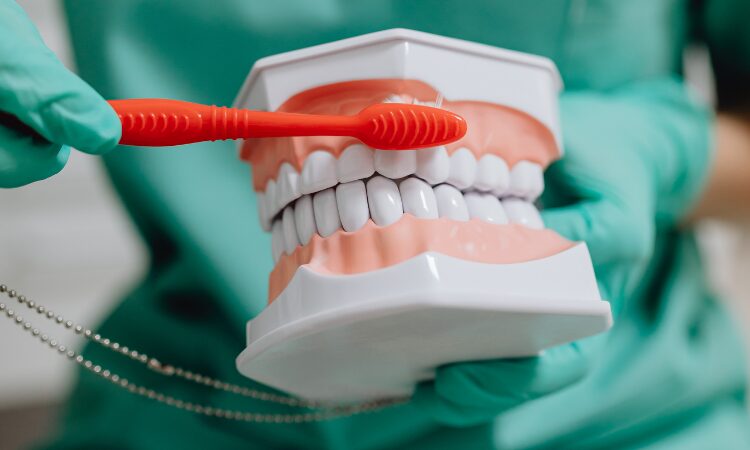
Sometimes, bleeding gums result from using too much force while brushing or flossing. Aggressive brushing with a hard-bristled toothbrush can damage delicate gum tissue, making it prone to bleeding. Similarly, if you’re new to flossing or haven’t done it in a while, your gums may bleed as they adjust to the new routine. The good news is that with consistent, gentle care, this type of bleeding often resolves on its own.
Vitamin Deficiencies
Your gums can also reflect your overall nutritional health. A deficiency in vitamin C, for instance, is historically associated with bleeding gums. Vitamin C plays a critical role in maintaining healthy connective tissue and supporting the immune system. A lack of it can weaken your gums and make them more susceptible to infection and bleeding. Similarly, a deficiency in vitamin K, which helps with blood clotting, may also lead to prolonged bleeding from the gums.
Hormonal Changes
Hormonal fluctuations, particularly in women, can make gums more sensitive and prone to bleeding. During pregnancy, menstruation, menopause, or when using hormonal birth control, increased blood flow to the gums can heighten the inflammatory response to plaque. This condition, known as pregnancy gingivitis, is relatively common and usually resolves after hormonal levels stabilize, but it still requires regular dental monitoring.
Medications and Medical Conditions
Certain medications can increase the likelihood of gum bleeding. Blood thinners such as aspirin reduce the blood’s ability to clot, making even minor gum irritation more likely to result in bleeding. Some medications for high blood pressure, seizures, or organ transplants may cause gum overgrowth, which can make gums more susceptible to bleeding and infection.
Underlying medical conditions can also play a role. People with diabetes are at higher risk of developing gum disease due to poor circulation and a weakened immune response. Bleeding disorders such as hemophilia or leukemia can also manifest as bleeding gums, making it important to investigate persistent symptoms that don’t improve with oral care alone.
Poor Oral Hygiene
Ultimately, the health of your gums is closely tied to how well you take care of your teeth. Skipping regular brushing or flossing allows plaque to build up, increasing the risk of inflammation and bleeding. Smoking can exacerbate this by impairing gum tissue healing and promoting the growth of harmful bacteria in the mouth.
Gum Disease Treatment in Payette, ID
At Payette Dental, your oral health is our top priority. While the occasional case of bleeding gums isn’t always a cause for concern, chronic or excessive bleeding can indicate an underlying problem. The longer you wait to seek treatment, the more at-risk your smile and bite is. Contact our office today to schedule a consultation and learn more about how to keep your gums healthy.